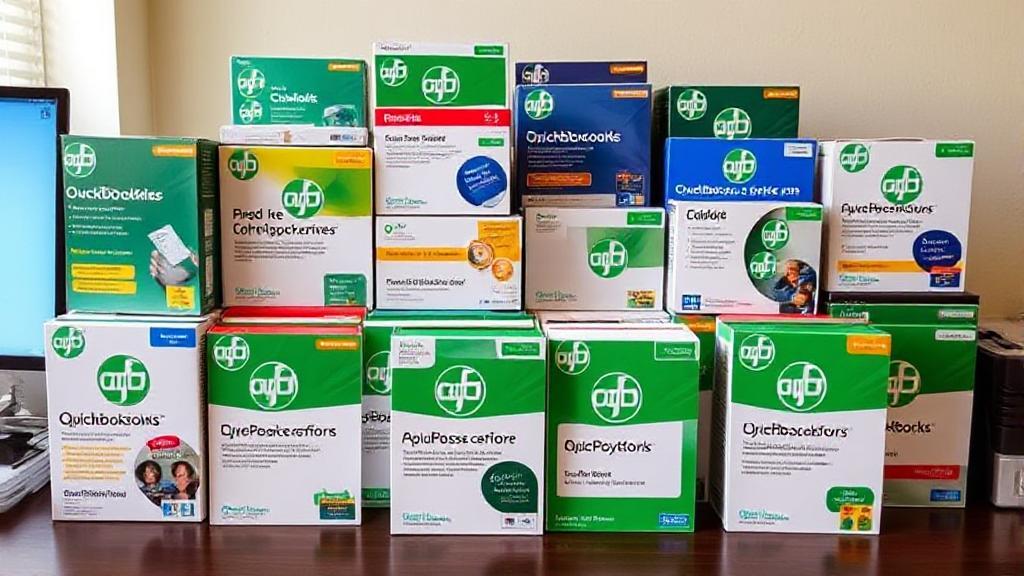
Understanding QuickBooks Versions and Your Business Needs
Before selecting a QuickBooks version, it's crucial to assess your business requirements by considering:
- Business size and growth potential
- Industry-specific requirements
- Budget constraints
- Number of required users
- Cloud access needs
Cloud-Based vs. Desktop Solutions
QuickBooks Online
- Accessibility: Access from anywhere with internet connection
- Automatic updates and backups
- Real-time collaboration
- Mobile functionality
- Integration with numerous apps
QuickBooks Desktop
- One-time purchase option
- More comprehensive features
- Better inventory management
- Works offline
- Industry-specific versions available
Available Versions Overview
QuickBooks Online Tiers
-
Simple Start
- Perfect for self-employed and micro-businesses
- Income and expense tracking
- Invoice and payment processing
- Basic reporting
-
Essentials
- All Simple Start features
- Bill management
- Time tracking
- Up to 3 users
-
Plus
- Inventory tracking
- Project profitability
- Up to 5 users
- Purchase orders
-
Advanced
- Custom user permissions
- Business analytics
- Dedicated support
- Up to 25 users
QuickBooks Self-Employed
- Easy to use for freelancers
- Helps with quarterly tax estimates
- Mileage tracking feature
- Primarily focused on tax tracking
QuickBooks Enterprise
- Advanced reporting and analytics
- Supports up to 30 users
- Industry-specific solutions
- Advanced inventory management
Version Comparison
Key Features to Consider
- User Access: Number of simultaneous users needed
- Inventory Management: Level of inventory tracking required
- Payroll Services: Payroll processing requirements
- Reporting Needs: Depth of reporting and analytics
- Integration: Compatibility with other business tools
Technical Requirements for Desktop Versions
Red Flags to Watch For 🚩
- Choosing too basic a version and outgrowing it quickly
- Paying for features you'll never use
- Not considering future growth needs
- Ignoring industry-specific requirements
Making Your Decision
- Start with a free trial when available
- Consult with an accountant for professional guidance
- Consider future growth potential
- Evaluate industry-specific needs
Additional Resources 📚
For more information, visit: